- Alpine Acupuncture5825 221st Pl SE Ste 204
Issaquah, WA 980271-425-391-7777 - Sign up to receive news and updates and get my free report:“The Top 10 Reasons to Try Acupuncture”


Latest Articles:
- • Here’s How Parents Are Creating Healthier Summers Without Burnout •
- • Sleep Tourism, Recovery Retreats, and Wellness Travel •
- • How Small Daily Habits Are Replacing Extreme Health Trends •
Health WellNews
Traditional Chinese Medicine And Fall
As the seasons shift from summer to fall, so does the Qi (or energy) in the universe as well as within our bodies. Autumn is represented by the metal element, which includes the lung and large intestine meridians. The emotion often associated with the lung meridian is sadness and grief. This is the time of year to let go, to finish projects which you have not yet completed and embrace the coming of a new season.
One easy way to benefit the lung organ is breathing exercises. Practice breathing in through your nose and focus on filling your lungs deep with your breath, down into your abdomen. Hold that breath for a count of five and slowly exhale out of your mouth trying to get all of your breath exhaled from the very bottom of the lungs. You can repeat this several times as well as a few times throughout the day. Not only will this help build your lung Qi, it will also relax and center you. This is important in the midsts of our busy lives. Good sleep habits are also essential for health, wellbeing as well as the lung’s Qi. Early to bed and early to rise will help invigorate you and set each day off full steam ahead.
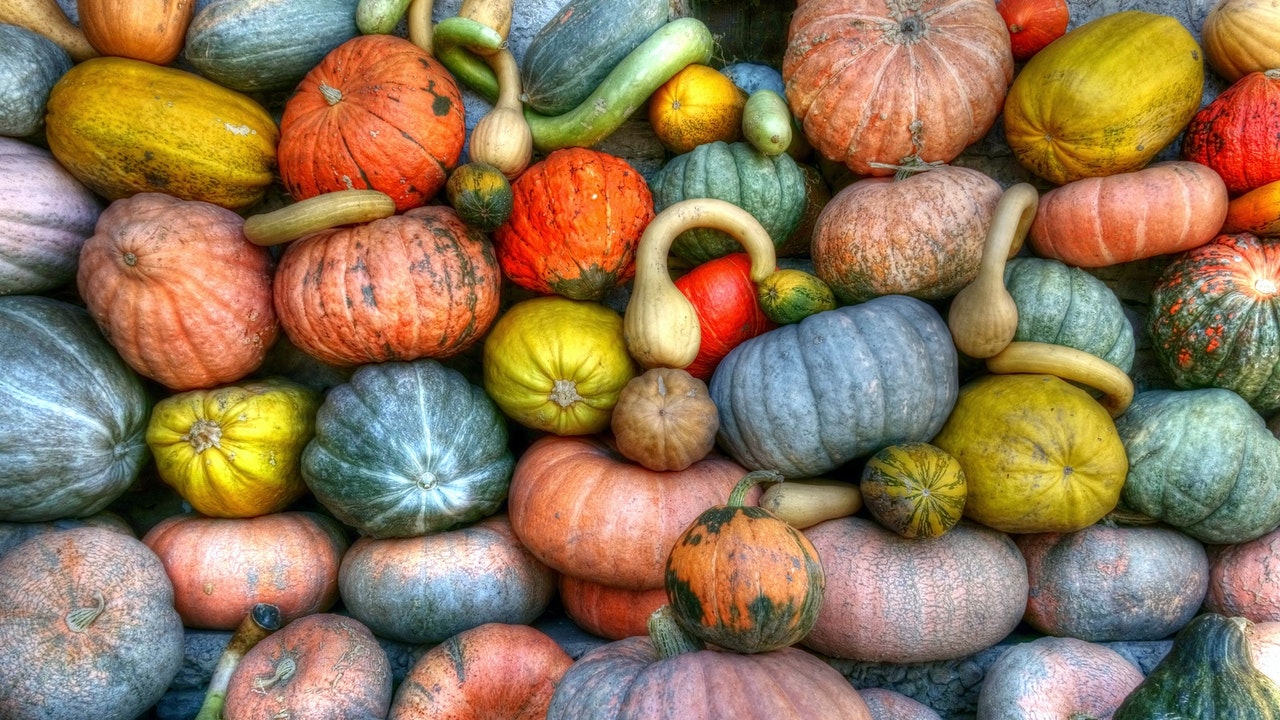
In summertime many people indulge in lots of raw and fresh fruits and vegetables. For our bodies, digesting these raw foods can use up a lot of our Qi, but in the summer the heat of the summer can balance some of this as the raw foods have a more cooling aspect to them. As we transition to autumn, it is also a time to transition our diet and move towards more warming foods. Soups, stews, warm beverages, cooked fruits and vegetables. Fall can be abundant with amazing fresh produce that is seasonally appropriate– pears, garlic, leeks, beans, apples, onions, ginger and leafy greens.
The lungs are also integral for our Wei Qi, which is our protective Qi, akin to the immune system. As the lungs are connected to the nose and the mouth, it is important to be mindful of this. Using a neti pot can help rinse out the nasal and sinus passages. Using a warm salt water mixture will help reduce your chances of colds and allergies. As the temperature shifts, so should our attire. Keep your body warm and appropriately covered, including a scarf around the neck as needed. It is a great time of year to go for long walks and hikes in nature, but keep yourself well prepared to keep your body strong.
The Metal Element
Traditional Chinese Medicine dates back thousands of years and has helped people all over the world remain and regain health and well-being. Traditional Chinese Medicine, or TCM, most likely predates written history. But the first writings of this medical system appear in China during the Shang Dynasty in 1766 B.C. The theory behind TCM however, is not just Chinese in origin and is heavily rooted in traditional Eastern philosophy. The concept of the five elements that are now used in TCM probably began with the ancient Chinese calendar where five types of energies were assigned to different days, months and years. These five elements were associated with the solstices and equinoxes in an effort to help farmers plan ahead. The five elements are wood, fire, earth, metal and water.

Metal is the element associated with the season of fall. The metal element is thought to be about connection and purity. During the autumn months, things are winding down and life is preparing for hibernation. Autumn is the time of year when we tend to let go of the things that no longer serve us. Just as the leaves fall from the trees in the autumn months, so too should we let go of the things, physical or mental, that bog us down. Fall is a good time to detox the body or clean out the closets of unwanted items.
Each element in TCM is also closely affiliated with two organs and their energetic meridians. Metal is the element of the lungs and the large intestine. The large intestine functions to “let go” of toxins and waste products our bodies no longer need to function. The lungs enable us to take in the crisp pure air of the autumn months, which helps to nourish and enrich our blood. The lungs and the large intestine work as a team to keep the body healthy. One gets rid of waste, while the other brings in nourishment.
When the metal element is out of balance, we may experience allergies, asthma, wheezing, colds, coughing, grief, sadness, skin rashes, eczema, diarrhea or constipation. All of these can be due to either excesses or deficiencies within the lung and large intestine meridians. One way to counter a breakdown in the system is by eating foods color specific to the two energetic meridians. Things like onions, turnips, cauliflower, egg whites, apples, potatoes and pears are all good examples of white foods that can help boost or tonify the energy of the lung and large intestine meridians.
Deep breathing is also something that can be done daily to help keep the metal element balanced. This practice can help strengthen the lungs and boost immunity in the body. Deep breathing can be somewhat meditative, which can help calm the mind too. When practicing deep breathing, the focus should be on the abdomen. The abdomen should expand when inhaling and it should deflate when exhaling. This is somewhat opposite of what most people do when they breathe. But when watching an infant breathe, it is easy to see this pattern. Deep breathing can be done almost anywhere and it can help tremendously when there is added stress.
Lastly, consider getting acupuncture to balance out the metal element. Acupuncture has been shown to be effective at treating many lung and large intestinal issues. Acupuncture works with the body to balance energy, remove blockages and get things flowing properly throughout the whole system. A few treatments can bring relief from a lifetime of discomfort.
How to Fight the Common Cold with TCM
 Cold and flu season usually occurs during the winter months. But the common cold doesn’t follow a schedule. The common cold can happen at any time of the year. It affects nearly three million people in the United States every year. Symptoms can include a runny nose, sneezing, congestion, coughing, sinus pressure, watery eyes, fatigue and muscle aches. The common cold is usually caused by a virus and unfortunately, Western medicine has no real cure for this ailment.
Traditional Chinese Medicine (TCM) is a medical system that approaches Western ailments from a very different angle though. In TCM, wind is one of the six external pathogens that can invade the body and produce symptoms. The external pathogens responsible for the cold are seen as invasions of wind. The body is protected by something known as the Wei Qi (defensive qi, pronounced “way chee”). The Wei Qi is comparable to the immune system in Western medicine and it acts as the first line of defense when the body is under attack from external pathogens. If the Wei Qi is strong, the body is capable of fighting off the cold virus. The Wei Qi keeps the pores of the skin closed and prevents wind from entering. Extreme stress, lack of sleep and a poor diet can all play into how strong the body’s Wei Qi truly is and how well it performs.
Chinese botanical medications and certain TCM modalities like acupuncture, cupping and gua sha can all be utilized when the body breaks down and a wind pathogen invades. Chinese herbs have anti-viral and antibacterial properties that help ward off the pathogens. Some herbs also have diaphoretic properties, which induce sweating that expels the pathogens from the system. Wind can also carry other pathogens with it that can exacerbate the infection. So the cold can present as either a wind-cold or a wind-heat invasion. Obviously, these are treated differently based on the symptoms.
A wind-cold invasion tends to be the more mild of the two and can be treated with acupuncture, gua sha or cupping. This is considered the beginning stages of a cold as there are rarely any heat symptoms present. Because the pathogen is still mostly on the surface of the skin, gua sha or cupping may be the first line of defense. Both gua sha and cupping pull out toxins from the muscles and the blood and bring oxygen-rich blood into those areas decreasing the time that it takes for the body to heal. Acupuncture can also be a good tool to use when fighting a wind-cold attack. Acupuncture stimulates the immune system and helps to balance the hormones, which can shorten the length of time a person may feel ill. The other type of cold is the wind-heat invasion. Wind-heat invasions attack quickly and manifest just like wind-cold invasions, but they also have fevers as one of their primary symptoms. Wind-heat invasions should be treated with acupuncture and herbs only, as gua sha and cupping can sometimes push the pathogen deeper into the tissues extending the length of the cold.
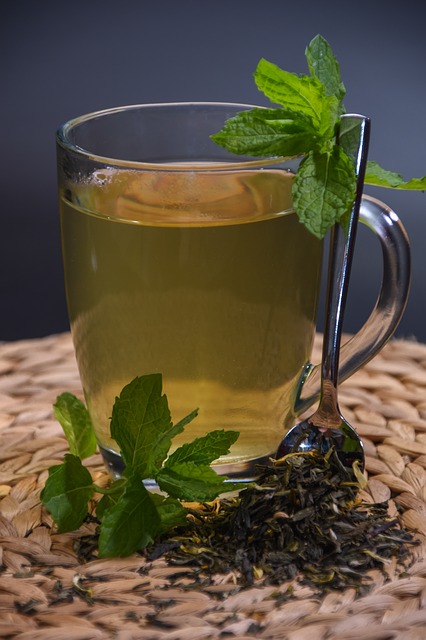
With both types of colds, plenty of rest and water are essential. Mint and chrysanthemum teas are also highly recommended. Spicy, greasy or fried foods should be avoided, as should sugar because these foods can create mucus or exacerbate the condition. And regardless of the type of cold, a licensed acupuncturist will be able to help you kick it in less time than normal.
Acupuncture for Weight Loss
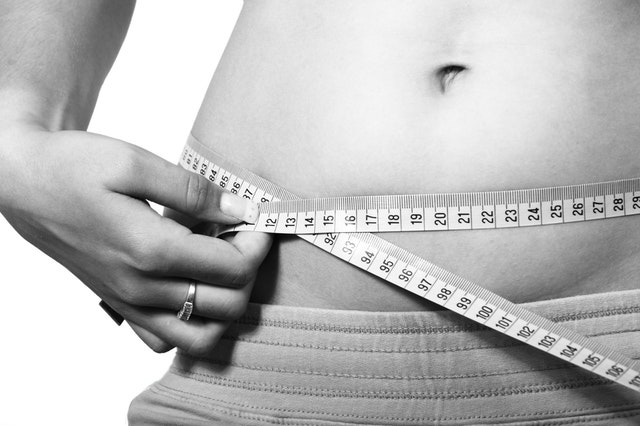 An article published in the Journal of Acupuncture and Meridian Studies, substantiates the usage of acupuncture and traditional Chinese herbal formulations can help in the treatment of obesity and weight loss. The article reviewed four clinical studies and 16 animal studies on the effects of Traditional Chinese Medicine (TCM) for treating obesity. There were different methods, but the results were ultimately the same. Obesity can be a result of total body inflammation or hormonal imbalances, and because of this, all the studies that were reviewed, had different approaches for treating the disease. All of the studies confirmed obesity can be managed utilizing Traditional Chinese Medicine techniques.
Obesity has become an epidemic in the United States. As many as one quarter of all Americans are considered overweight. And because of this, nearly $33 billion will be spent annually on weight loss programs. However, almost 85 percent of those trying to lose weight, will fail. There are many reasons why Americans are getting larger waistlines, but ultimately, the burden falls upon the individual. There are methods that can help people lose pounds and maintain a healthy weight though.
TCM is a non-invasive, safe and effective method for helping with weight loss. Unfortunately, a vast majority of people tend to look for the “quick fix” and this is definitely not what TCM provides. But, if a person is willing to take control and be held accountable for their actions and decisions, then TCM can be quite helpful with regards to shedding pounds.
Multiple studies have shown when TCM modalities, such as acupuncture and herbal formulas, are combined with traditional methods of weight loss, the patients actually lose more weight. TCM views the body and how it functions differently than Western medicine. Everything in TCM is based upon the fact that every cell in the human body is a form of energy. When there is an imbalance of energies throughout the body, then disease or illness may arise. Obesity is a disease that requires balancing. When it comes to weight loss, there are two or three main areas that TCM practitioners focus on, the spleen, liver and kidney meridians.
The three areas that focus on weight loss in TCM, the spleen, liver and kidney meridians, are the powerhouses of the body. The kidney meridian equates to the endocrine system and this is treated to reduce water retention and to rebalance hormone levels. The spleen meridian is targeted to regulate sugar metabolism. The liver meridian is treated to reduce stress, which can lead to binge eating and other unhealthy eating habits. Increased levels of stress can also deplete the hormones that are responsible for metabolism in the body.
Acupuncture for weight loss is not a silver bullet and traditional methods should be used in conjunction with acupuncture. Obviously monitoring the diet and getting proper exercise and rest are all crucial when trying to lose weight. But if all these things are done together, losing weight should not be extremely difficult. It will still take time, but it can be achieved.
Traditional Chinese Medicine and Spring
Spring is generally regarded as a happy season, especially for those that live in areas where winter is cold and dark. Spring brings with it longer days, more sunshine, the rebirth of plants and more activity. But for many, the months of spring can also bring irritability, anxiety, sinus issues, allergy flare-ups and even colds.
Traditional Chinese Medicine has been around for nearly 3,000 years, which gives the medical system, as a whole, a lot of credibility. TCM classifies things in many different ways. There are five seasonal associations in TCM – winter, spring, summer, late summer and fall. Each season has its own unique set of properties and associations. Spring is associated with the wood element. The wood element governs the liver and the gallbladder and their energetic pathways in TCM. The five seasons and their corresponding elements interact with one another daily, creating balance and harmony or complete chaos within the body.

The season of spring is a time of expansive movement and growth. Spring is a time of creativity and planning. Since the liver and gallbladder are associated with the tendons and are responsible for the smooth flow of energy and blood throughout the body, our daily activities should reflect this. Being more active and spending more time outside can be great ways to strengthen the liver and gallbladder energies during the months of spring. We should imitate the budding trees and flowers and allow ourselves to grow and reach for bigger and better goals during the spring.
The color green is the color of spring in TCM. During these months, fresh greens are abundant. It is highly recommended that we incorporate more fresh greens into our daily diets. Greens have been shown to be very beneficial for helping the liver do its job, detoxifying the blood. Dandelion greens, in particular, are a good source for detoxification, which ultimately strengthens the liver and gallbladder meridians.
It is also recommended to avoid excessive stimulants during the spring months. Things like coffee are considered expansive and energizing, which can be somewhat helpful during the cold winter months. But during the spring, when life is abounding, excess energy can actually be harmful to the body. It can create headaches, insomnia, anger and more.
When a person is completely balanced, transitioning from one season to another is not such a big deal. However, knowing what elemental type you are can also be very beneficial in determining how you will react to each passing season. For instance, a person who has a wood element constitution, may experience anger during the spring. This is because the wood element is already closely associated with the emotion of anger and spring brings added stimuli that can trigger fits of rage.
One way to keep the body balanced is through acupuncture and TCM. The body is designed to maintain proper balance, but we tend to not pay attention to the warning signs until we experience pain or illness. Getting regular acupuncture treatments can work as preventive medicine, providing harmony throughout every season of the year.
If you experience feelings of anxiety, anger or even self-loathing, acupuncture can help. It can also help with those seasonal allergies that might flare up. Acupuncture is a wonderful way to maintain health and balance all year long. Be sure to find a fully licensed acupuncturist in your area, so you can enjoy spring without any emotional or physical impairments.