- Alpine Acupuncture5825 221st Pl SE Ste 204
Issaquah, WA 980271-425-391-7777 - Sign up to receive news and updates and get my free report:“The Top 10 Reasons to Try Acupuncture”


Health WellNews
How to Fight the Common Cold with TCM
 Cold and flu season usually occurs during the winter months. But the common cold doesn’t follow a schedule. The common cold can happen at any time of the year. It affects nearly three million people in the United States every year. Symptoms can include a runny nose, sneezing, congestion, coughing, sinus pressure, watery eyes, fatigue and muscle aches. The common cold is usually caused by a virus and unfortunately, Western medicine has no real cure for this ailment.
Traditional Chinese Medicine (TCM) is a medical system that approaches Western ailments from a very different angle though. In TCM, wind is one of the six external pathogens that can invade the body and produce symptoms. The external pathogens responsible for the cold are seen as invasions of wind. The body is protected by something known as the Wei Qi (defensive qi, pronounced “way chee”). The Wei Qi is comparable to the immune system in Western medicine and it acts as the first line of defense when the body is under attack from external pathogens. If the Wei Qi is strong, the body is capable of fighting off the cold virus. The Wei Qi keeps the pores of the skin closed and prevents wind from entering. Extreme stress, lack of sleep and a poor diet can all play into how strong the body’s Wei Qi truly is and how well it performs.
Chinese botanical medications and certain TCM modalities like acupuncture, cupping and gua sha can all be utilized when the body breaks down and a wind pathogen invades. Chinese herbs have anti-viral and antibacterial properties that help ward off the pathogens. Some herbs also have diaphoretic properties, which induce sweating that expels the pathogens from the system. Wind can also carry other pathogens with it that can exacerbate the infection. So the cold can present as either a wind-cold or a wind-heat invasion. Obviously, these are treated differently based on the symptoms.
A wind-cold invasion tends to be the more mild of the two and can be treated with acupuncture, gua sha or cupping. This is considered the beginning stages of a cold as there are rarely any heat symptoms present. Because the pathogen is still mostly on the surface of the skin, gua sha or cupping may be the first line of defense. Both gua sha and cupping pull out toxins from the muscles and the blood and bring oxygen-rich blood into those areas decreasing the time that it takes for the body to heal. Acupuncture can also be a good tool to use when fighting a wind-cold attack. Acupuncture stimulates the immune system and helps to balance the hormones, which can shorten the length of time a person may feel ill. The other type of cold is the wind-heat invasion. Wind-heat invasions attack quickly and manifest just like wind-cold invasions, but they also have fevers as one of their primary symptoms. Wind-heat invasions should be treated with acupuncture and herbs only, as gua sha and cupping can sometimes push the pathogen deeper into the tissues extending the length of the cold.
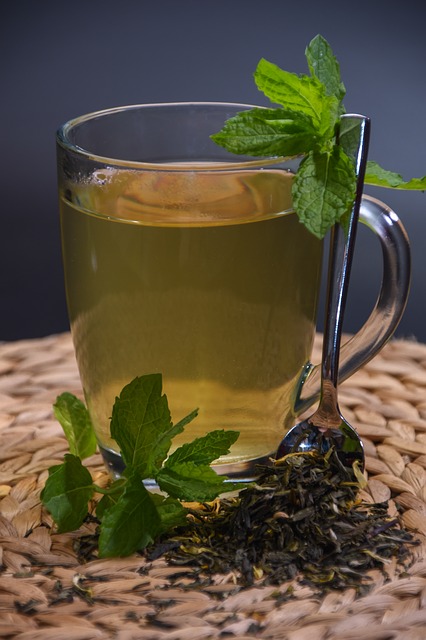
With both types of colds, plenty of rest and water are essential. Mint and chrysanthemum teas are also highly recommended. Spicy, greasy or fried foods should be avoided, as should sugar because these foods can create mucus or exacerbate the condition. And regardless of the type of cold, a licensed acupuncturist will be able to help you kick it in less time than normal.
Acupuncture for Weight Loss
 An article published in the Journal of Acupuncture and Meridian Studies, substantiates the usage of acupuncture and traditional Chinese herbal formulations can help in the treatment of obesity and weight loss. The article reviewed four clinical studies and 16 animal studies on the effects of Traditional Chinese Medicine (TCM) for treating obesity. There were different methods, but the results were ultimately the same. Obesity can be a result of total body inflammation or hormonal imbalances, and because of this, all the studies that were reviewed, had different approaches for treating the disease. All of the studies confirmed obesity can be managed utilizing Traditional Chinese Medicine techniques.
Obesity has become an epidemic in the United States. As many as one quarter of all Americans are considered overweight. And because of this, nearly $33 billion will be spent annually on weight loss programs. However, almost 85 percent of those trying to lose weight, will fail. There are many reasons why Americans are getting larger waistlines, but ultimately, the burden falls upon the individual. There are methods that can help people lose pounds and maintain a healthy weight though.
TCM is a non-invasive, safe and effective method for helping with weight loss. Unfortunately, a vast majority of people tend to look for the “quick fix” and this is definitely not what TCM provides. But, if a person is willing to take control and be held accountable for their actions and decisions, then TCM can be quite helpful with regards to shedding pounds.
Multiple studies have shown when TCM modalities, such as acupuncture and herbal formulas, are combined with traditional methods of weight loss, the patients actually lose more weight. TCM views the body and how it functions differently than Western medicine. Everything in TCM is based upon the fact that every cell in the human body is a form of energy. When there is an imbalance of energies throughout the body, then disease or illness may arise. Obesity is a disease that requires balancing. When it comes to weight loss, there are two or three main areas that TCM practitioners focus on, the spleen, liver and kidney meridians.
The three areas that focus on weight loss in TCM, the spleen, liver and kidney meridians, are the powerhouses of the body. The kidney meridian equates to the endocrine system and this is treated to reduce water retention and to rebalance hormone levels. The spleen meridian is targeted to regulate sugar metabolism. The liver meridian is treated to reduce stress, which can lead to binge eating and other unhealthy eating habits. Increased levels of stress can also deplete the hormones that are responsible for metabolism in the body.
Acupuncture for weight loss is not a silver bullet and traditional methods should be used in conjunction with acupuncture. Obviously monitoring the diet and getting proper exercise and rest are all crucial when trying to lose weight. But if all these things are done together, losing weight should not be extremely difficult. It will still take time, but it can be achieved.
Traditional Chinese Medicine and Spring
Spring is generally regarded as a happy season, especially for those that live in areas where winter is cold and dark. Spring brings with it longer days, more sunshine, the rebirth of plants and more activity. But for many, the months of spring can also bring irritability, anxiety, sinus issues, allergy flare-ups and even colds.
Traditional Chinese Medicine has been around for nearly 3,000 years, which gives the medical system, as a whole, a lot of credibility. TCM classifies things in many different ways. There are five seasonal associations in TCM – winter, spring, summer, late summer and fall. Each season has its own unique set of properties and associations. Spring is associated with the wood element. The wood element governs the liver and the gallbladder and their energetic pathways in TCM. The five seasons and their corresponding elements interact with one another daily, creating balance and harmony or complete chaos within the body.

The season of spring is a time of expansive movement and growth. Spring is a time of creativity and planning. Since the liver and gallbladder are associated with the tendons and are responsible for the smooth flow of energy and blood throughout the body, our daily activities should reflect this. Being more active and spending more time outside can be great ways to strengthen the liver and gallbladder energies during the months of spring. We should imitate the budding trees and flowers and allow ourselves to grow and reach for bigger and better goals during the spring.
The color green is the color of spring in TCM. During these months, fresh greens are abundant. It is highly recommended that we incorporate more fresh greens into our daily diets. Greens have been shown to be very beneficial for helping the liver do its job, detoxifying the blood. Dandelion greens, in particular, are a good source for detoxification, which ultimately strengthens the liver and gallbladder meridians.
It is also recommended to avoid excessive stimulants during the spring months. Things like coffee are considered expansive and energizing, which can be somewhat helpful during the cold winter months. But during the spring, when life is abounding, excess energy can actually be harmful to the body. It can create headaches, insomnia, anger and more.
When a person is completely balanced, transitioning from one season to another is not such a big deal. However, knowing what elemental type you are can also be very beneficial in determining how you will react to each passing season. For instance, a person who has a wood element constitution, may experience anger during the spring. This is because the wood element is already closely associated with the emotion of anger and spring brings added stimuli that can trigger fits of rage.
One way to keep the body balanced is through acupuncture and TCM. The body is designed to maintain proper balance, but we tend to not pay attention to the warning signs until we experience pain or illness. Getting regular acupuncture treatments can work as preventive medicine, providing harmony throughout every season of the year.
If you experience feelings of anxiety, anger or even self-loathing, acupuncture can help. It can also help with those seasonal allergies that might flare up. Acupuncture is a wonderful way to maintain health and balance all year long. Be sure to find a fully licensed acupuncturist in your area, so you can enjoy spring without any emotional or physical impairments.
Ways for a Healthy Brain
The second week of March is Brain Awareness Week. This is a perfect time to explore ways to keep your noggin working and healthy. Below are easy, simple ways to keep your brain in good shape.
A healthy diet is a healthy mind
There are many reasons to keep a healthy lifestyle and feed your body with foods that make you feel and perform your best. Diets that are low in saturated fats and cholesterol and higher in omega-3 fatty acids have been shown to promote brain health and protect brain cells. Taking a fish oil supplement with DHA or eating fish such as salmon can help improve brain development at any age. DHA, a type of omega-3, may also help prevent certain neurological disorders. Vitamin E and lutein can also help brain health. Incorporate leafy greens such as spinach and kale into your lunch or dinners.

Keep your brain stimulated
At any age, brain exercises are a great thing to get into the habit of. Keeping your brain stimulated can help retain your memory as you get older as well as your capability to learn new skills. The brain is never done learning. Exercises like reading, crosswords, number problems and games like sudoku can help keep your brain stay active and working. If you find yourself experiencing chronic stress, practice daily meditation for as little as five minutes a day to help reduce inflammation and support immune health, which are both controlled by the same area of the brain.
Socialize
Keeping in touch with friends and family and continuously working on building relationships helps your emotional state as well as your physical health. Surround yourself with people who challenge you, understand you and keep a positive tone. Join organizations or clubs you are interested in and make new connections. Feeling connected to others is always important for your mental wellbeing.
Quit the bad habits
If you smoke, now is never a better time to quit. Consuming an excess in substances such as alcohol, cigarettes and other drugs can lower cognitive processes and decrease overall functioning and health.
Acupuncture
In Traditional Chinese Medicine it is believed that the spleen, kidney and heart organs all impact mental capacity and brain activity. These organs influence memory, concentration and recall. When one of these organs is experiencing deficiency or an imbalance, our brain can not function to its fullest. Acupuncture addresses the organs with specific points on the body to return the body back to balance and health.
Spring Acupuncture Tips to Keep You Healthy, Happy and Flexible
Spring is a happy time. Bunnies hop about. Flowers emerge in long forgotten corners of your garden. The birds return and sing so loudly they wake you in the morning.
This is not a time to be angry.
But according to Traditional Chinese Medicine, being angry is exactly what you can expect if you don’t balance your wood element.
In TCM, spring is represented by the element wood. Wood represents birth and newness, the time for fresh ideas and new starts. Unsurprisingly, its color is green like the fresh growth of spring.
Wood governs your spine, joints, muscles, ligaments and tendons. A wood imbalance can lead to spinal problems, poor flexibility or arthritis. Wood also governs your eyes.
But most important for your mood, wood governs your liver. Your liver is responsible for the smooth flow of Qi (energy) and smooth flowing Qi means health and vitality. The emotion associated with your liver is anger. If your liver is imbalanced your Qi will be disrupted and you’ll be angry.
Healthy (and happy) spring acupuncture practices mean balancing your wood element and caring for your liver.

Healthy Spring Acupuncture Practices
Try these spring acupuncture recommendations, to keep your wood balanced and your liver healthy.
Cleanse. Cleaning your colon releases accumulated toxins, undigested food, parasites and fungi. With a clean colon your digestion is more efficient and your body is healthier.
Detox your liver. Reduce or eliminate alcohol or drugs that are toxic to your liver. Consider a detox that specifically targets your liver. Call me if you need suggestions.
Stretch. Start or recommit to a healthy stretching routine. Try yoga, Tai Chi, Qi Gong, or other exercises that move, loosen and flex your joints.
Exercise your eyes. Massage your face, especially around your eyes. Roll your eyes and move them in figure 8s. Practice focusing on distant objects and then focusing on close objects in quick succession. Put time limits on your computer sessions. These exercises strengthen your eyes and can improve your eyesight.
Control your anger. Create a healthy anger management plan. Journal, meditate or get counseling. Put limits on stressful situations. Find activities that refocus your anger in healthy ways.
Healthy Spring Acupuncture Diet
Follow these tips for a healthy spring diet that supports your liver.
Eat light. Overeating taxes your liver.
Eat greens. Sprouts, wheatgrass, spinach, kale and dandelions are particularly good foods in the spring.
Eat sour? Sour is the flavor associated with spring, however sour flavors are only recommended for certain constitutions. Instead of dousing your greens with vinegar or lemon juice dressings, consult with me to find out what flavors are best for you.
Drink milk thistle tea. Milk thistle detoxes your liver.
Season your food. Pungent spices like basil, fennel, marjoram, rosemary, caraway, dill and bay leaf are excellent for spring cooking—and they taste good.
By keeping your wood balanced and your liver healthy you will be happy. You’ll feel vital, flexible and clear. If you have questions about healthy spring acupuncture practices feel free to call me for recommendations.